Regular Inspection Checklist: How to Care for Your Tent Frame and Avoid Mechanical Failures
Out there, where events move quickly and crowds gather, showing up matters most. No matter how packed the calendar gets, gear must hold strong when push comes to shove. During street festivals or big indoor meetings, our pop-up shade does more than block the sun; it stands as a quiet promise about who we are. Trouble usually sneaks in slowly, rust creeping on joints, welds thinning bit by bit, till something snaps mid-crowd. Taking time to check metal arms before each rollout keeps things running smoothly later. Well-kept frames mean less on-site fixing and more room to talk face-to-face with people passing by, especially with professionally branded tents designed for durability and consistent performance.
Keeping Frames Strong With Smart Rules to Prevent Damage and Ensure Stability
1. Inspect Frame Alignment for Structural Integrity
At first glance, eyes move along each joint and beam, checking how straight lines hold up in aluminum bones or steel ribs. A tiny twist in one piece might send strain rippling through others when gusts push sideways during events. Before wheels stop rolling on site, flaws get caught early, so nothing wobbles later under the spotlight and scrutiny. Misalignment fixed ahead means less fuss unfolding the gear, plus fewer surprises once assembly begins. Stability isn’t assumed; it shows up only after silent faults are ruled out well in advance.
2. Lubricate Telescoping Joints and Locking Mechanisms
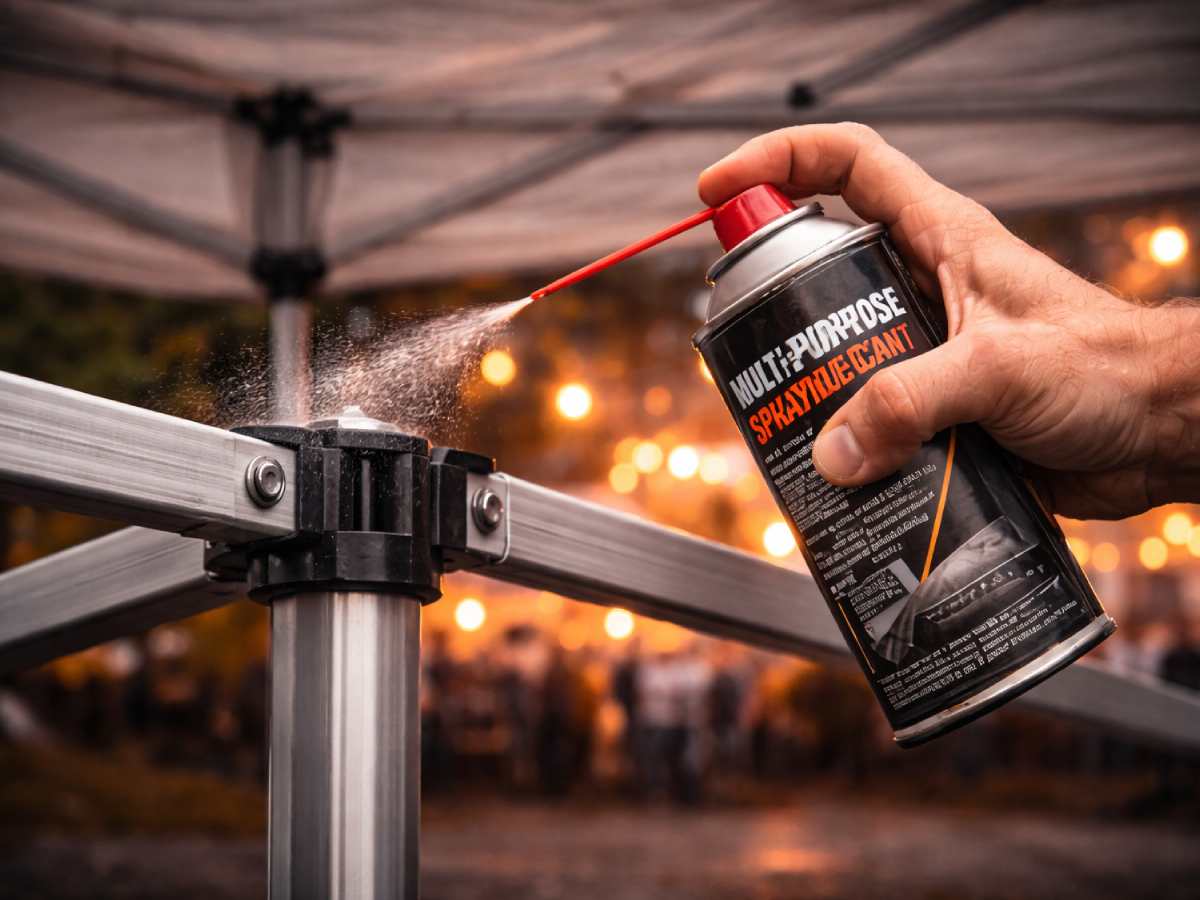
Checking how well sliders and connectors work comes first. When corners slide shut or locks snap tight, everything must move without catching. Dust often sneaks into tiny spaces where metal meets track, and things stick. Grit builds up over time, making parts grind instead of glide. A light coating of silicone spray keeps each joint running free. It goes on once in a while, just enough so movement stays quiet and clean. Every beam pulls out smoothly now, no tugging needed. Latches engage fully without extra force. Less resistance means quicker assembly overall. Hands stay clear when pieces shift fast. The whole frame holds firm only if the links below are sound. Smooth motion starts long before showtime begins.
3. Test Leg Extension and Baseplate Stability
Most mornings start with checking how the legs extend, each section sliding without resistance. Noticing rust spots early keeps small problems from growing worse later. What sets a stable setup apart begins where metal meets ground; those baseplates must lie flush, never tilted. When joints stiffen over time, it throws off the balance of the whole frame above. Water collects in sagging areas if the supports fail to hold even tension throughout. Uneven shifts during storms trace back to weak points that go unnoticed until dark clouds arrive. Stiffened bolts or warped feet mean extra strain elsewhere when the wind pushes sideways. A level stance under load relies on attention given long before weather changes. Solid contact below means less worry overhead as conditions shift through the day.
4. Tighten Fasteners and Check for Loosening Under Load
Every now and then, movement shakes things loose, especially bolts, screws, and rivets keeping the truss frame intact. Because of repeated hauling, those fixings might shift without warning. One wobbly joint? That’s enough to tilt the whole tent’s balance off its true center. Wind hits harder when the alignment slips. So we check every pressure spot each cycle, and it just stays done. Strength in structure mirrors how we move forward: steady, tested, never skipped.
5. Dry Thoroughly Before Storage to Prevent Corrosion
Even though it may seem harmless, storing frames while still wet can slowly damage metal parts. Instead of rushing into storage, we wait one full day for complete drying indoors. Because humidity hides easily, leaving gear out too soon invites rust and weakens structural joints. Rather than risk foul smells later, we make sure airflow moves freely around each piece first. Without this pause, zippers stick, poles corrode, and fabric sours over time. So patience becomes the quiet guard against decay between uses.
6. Use Protective Cases During Transit to Minimize Impact Damage
Our frames face the highest risk of harm while moving from one event to another. Between shows, they travel inside cushioned containers mounted on wheels, keeping impacts and scrapes at bay during transit. Accessories like weights, sidewalls, and banners live in separate packs, each marked clearly so nothing gets lost or misplaced. When it comes time to assemble, everything clicks into place without delay or confusion. Taking these steps keeps equipment in top shape, saving money over time. A clean, working display arrives at the venue quickly, looking exactly as intended. Whether standard canopies or specialized solutions like inflatable product replicas, proper maintenance ensures maximum longevity and return on investment.
Final Thoughts
Looking after our event systems with routine checks feels essential for how companies operate today. When consistent upkeep maintains equipment condition, energy shifts toward what really moves the business forward. Focusing on frame inspections, smooth-moving parts, and managing dampness creates steady operations that support customer work anywhere. Companies showing dedication by protecting their tools tend to grow stronger and last longer over time.